

🌆 Living in Cardiff
The city is easy to explore. Many of Cardiff’s most popular attractions are within walking distance of the city centre and the College. You can visit beautiful parks, explore historic castles and discover museums and galleries that tell the story of Wales. Throughout the year, Cardiff also hosts concerts, sporting events and cultural festivals, so there is always something happening.
Getting around the city is simple. Cardiff has reliable bus and train connections, and Cardiff Central Station is only a short walk from the College’s City Centre Campus. This also makes it easy to travel to other cities in the UK during weekends or holidays.
Cardiff is also a great place to enjoy food, shopping and social time with friends. You will find cafés, international restaurants and popular high street shops across the city. As a student, you can also benefit from discounts in many shops, restaurants and on travel.
Living in Cardiff gives you the opportunity to experience life in a lively UK capital city while studying in a safe, supportive and student friendly environment.
🏙️ Welcome to Cardiff, the capital city of Wales and your new home while studying at Cardiff and Vale College 🎓
Cardiff is a friendly and welcoming city where students from around the world come to live and study. Although it is a capital city, Cardiff has a relaxed and safe atmosphere that makes it easy to settle in and feel at home.
HealthcareRegistering with a GP (Doctor)
In the UK, local doctors are known as General Practitioners (GPs). We recommend that students register with a GP soon after arriving in Cardiff so that medical support is available if you become unwell.
The College can provide a student status letter if needed to help you register with a local GP practice.
Dentists
Students can also register with a local dentist for routine dental care. Dental services in the UK may be available through the NHS or through private practices.
NHS Information
Healthcare in the UK is provided by the National Health Service (NHS).
If you need medical advice but it is not an emergency, you can contact NHS 111 for guidance and support.
BankingOpening a UK Bank Account
Opening a UK bank account can make it easier to manage your finances while studying in the UK. A local account allows you to receive payments, pay bills and avoid international bank charges.
Many students choose banks such as:
HSBC
Barclays
Lloyds
Santander
Some students also choose digital banks such as Monzo or Revolut.
Documents You May Need
To open a bank account, you may be asked to provide:
Your passport
Proof of your UK address
A student status letter from the College
The International Team can help provide supporting documents if required.




Mobile PhonesUK SIM Cards
Most students purchase a UK SIM card so they can use mobile data, make calls and send messages locally.
You can choose between:
Pay as you go SIM cards or Monthly contracts
SIM cards can be purchased in supermarkets, mobile phone shops or online.
Common UK mobile networks include:
• EE
• O2
• Vodafone
• Three
• giffgaff
TransportCardiff is a compact and student friendly city, making it easy to travel between your accommodation, the College and the city centre.
Buses
Cardiff has a reliable bus network connecting the city centre with residential areas and nearby towns. Many students use buses to travel to and from college.
Students can purchase daily, weekly or monthly bus passes to reduce travel costs.
Trains
Cardiff Central Station is the main railway station in the city and is only a short walk from the College campus. From here you can travel to other UK cities including Bristol, London and Birmingham.
Walking and Cycling
Cardiff is a very walkable city, and many students choose to walk to college. Cycling is also popular, and the city provides cycle routes and bike storage areas.

Personal SafetyCardiff is generally a safe and welcoming city, but students should always take sensible precautions to protect their personal safety.
Students are advised to:
• Keep personal belongings secure, especially in busy public places
• Avoid carrying large amounts of cash
• Stay in well-lit areas when walking at night
• Travel with friends where possible, particularly in the evening
• Use licensed taxis, or trusted transport services when needed
If a student ever feels unsafe or uncomfortable, they should contact a member of staff, Student Services or the International Team for support.
Student DiscountsAs a student in the UK, you can access discounts on shopping, travel and entertainment.
Railcards
A 16–25 Railcard offers discounted train travel across the UK and can help you save money when travelling.
UNiDAYS and Student Beans
These online platforms offer discounts on clothing, technology, food and other products from many well known brands.
TOTUM
The TOTUM card (formerly known as the NUS card) provides additional student discounts in shops, restaurants and online stores.



UK Culture and Everyday LifeMoving to a new country is an exciting experience, and it is normal for some things to feel different at first. Understanding a few everyday customs in the UK can help you settle in more easily.
The UK is a diverse and welcoming place, and people from many cultures live, study and work here.
Being on Time
Punctuality is important in the UK, particularly in education and work. Students are expected to arrive on time for lessons, meetings and appointments.
If you are running late or unable to attend a class, you should inform your teacher or the College as soon as possible.
Communication and Politeness
Polite expressions such as “please”, “thank you”, and “sorry” are commonly used in everyday conversations.
Greeting people with a simple “hello” or “good morning” is also common and appreciated in shops, public places and at college.
Queuing
In the UK, people usually form a queue (line) when waiting for services such as buses, shops or cafés. It is expected that everyone waits their turn.
Personal Space
People in the UK generally prefer to keep a small amount of personal space when speaking with others. A handshake or friendly greeting is common when meeting someone for the first time.
Staying SafeCardiff is generally a safe and welcoming city, but it is still important to take simple precautions.
College Safeguarding Support
Cardiff and Vale College has strong safeguarding procedures to support students aged 16 to 19. The College provides:
• A designated safeguarding lead and trained safeguarding team
• Clear procedures for reporting concerns
• Under 18 monitoring and support arrangements
• Confidential counselling services
• Mental health and wellbeing guidance
• Anti-bullying support
If you ever feel unsafe, worried or unsure, you should speak to:
• Your Personal Tutor
• Student Services that can be found at a campus reception area.
Please also make the international office aware by emailing international@cavc.ac.uk
Emergency contact details are always available, including out of hours support where required.
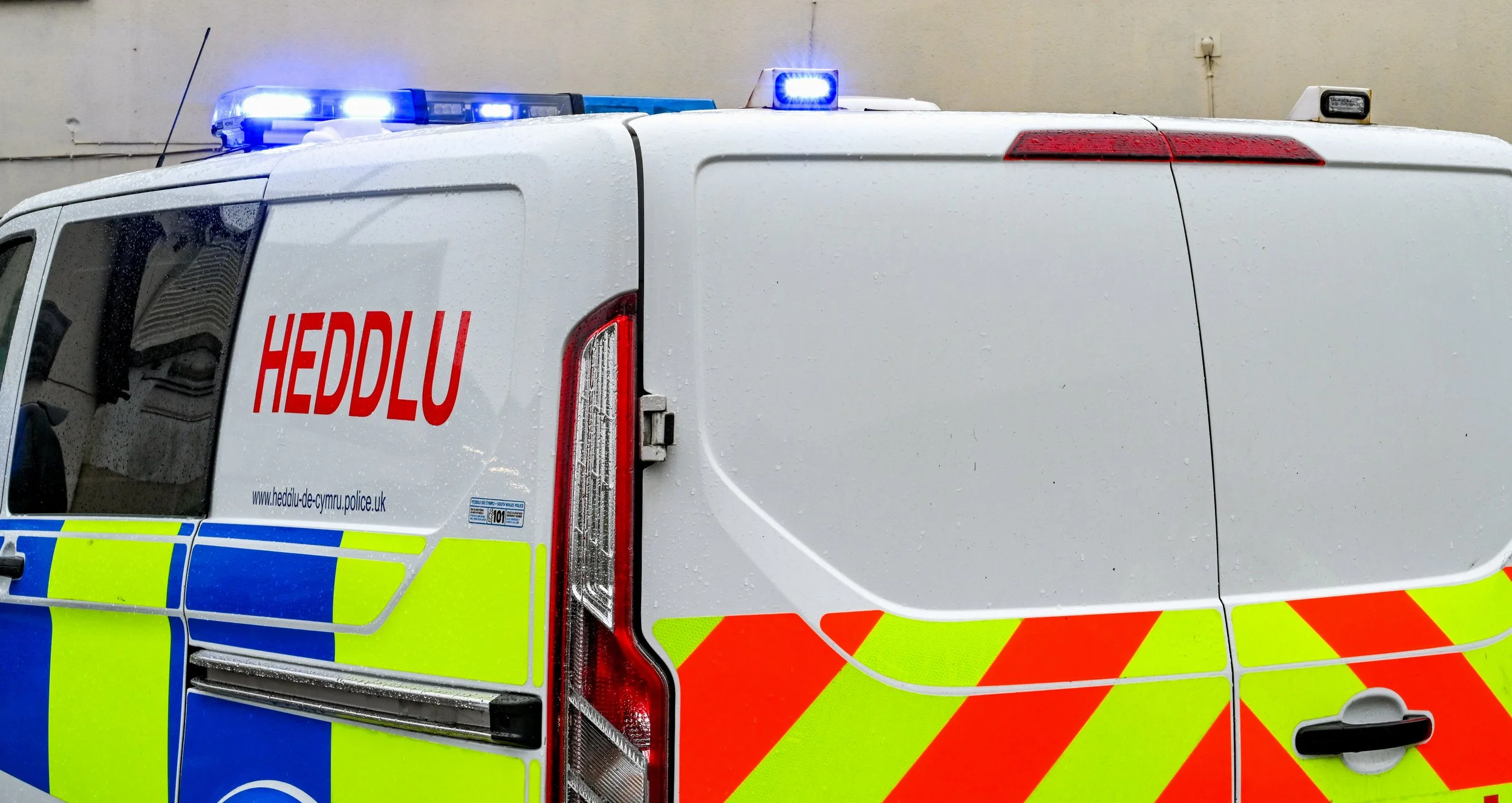
Emergency NumbersIt is important to know how to contact emergency services in the UK.
999 – Emergency services (police, ambulance or fire)
111 – NHS non-emergency medical advice
You should only call 999 if there is a serious emergency.
For college related support, you can also contact the International Team or Student Services.